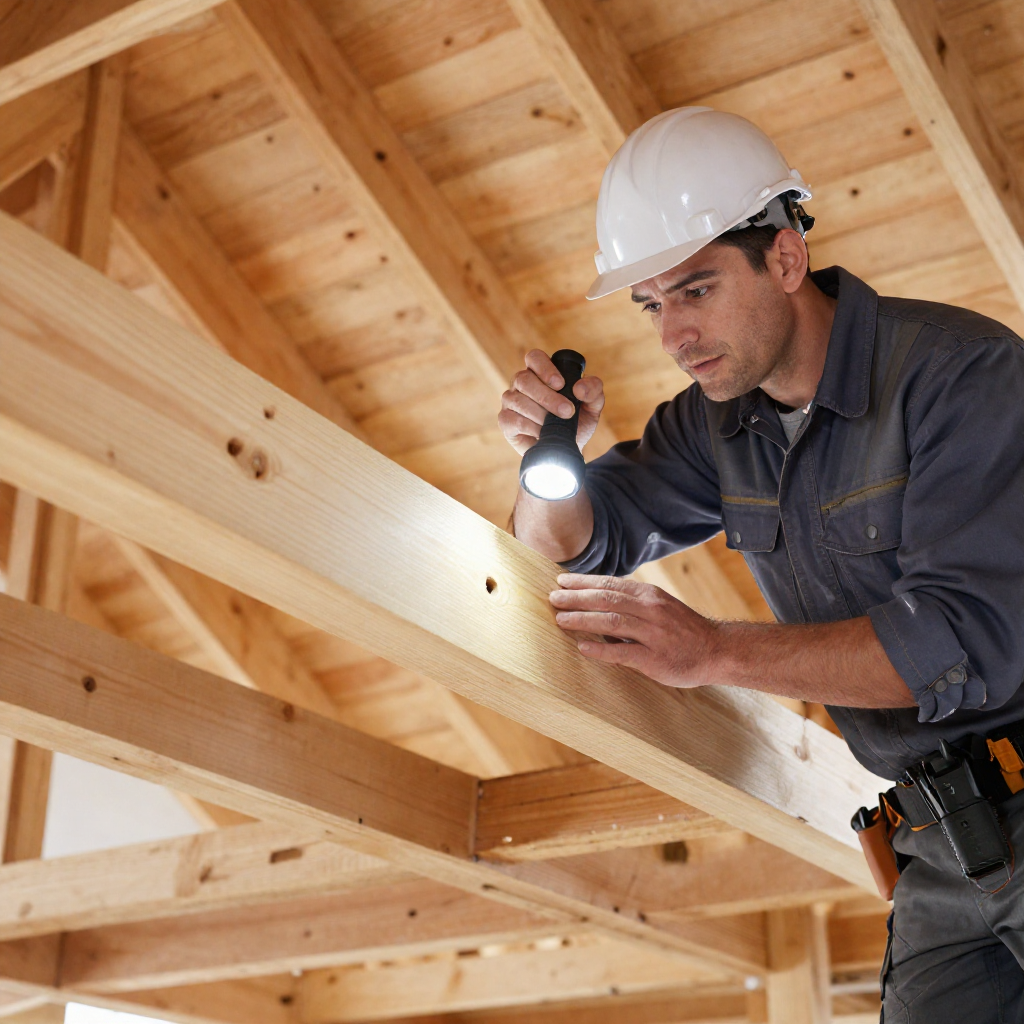
Restoring an old wooden house is an exciting opportunity to preserve history while creating a comfortable and functional home for modern living. Whether you’ve purchased a century-old timber cottage, inherited a family home, or are renovating a historic farmhouse, the key to a successful restoration is careful planning. Older wooden houses often feature exceptional craftsmanship and high-quality timber that can last for generations when properly maintained, but they may also hide structural issues that require attention before cosmetic improvements begin.
Rather than rushing into renovations, it’s important to evaluate the condition of the building, identify potential problems, and prioritize repairs that affect safety and structural stability. From moisture control and roof inspections to checking for woodworm and timber decay, a systematic approach will help protect your investment while preserving as much of the original structure as possible.
In this guide, we’ll explain where to start when restoring an old wooden house and outline the essential steps for a successful renovation.
Understand the History of the Property
Before beginning restoration work, learn as much as possible about the house.
Useful information includes:
- The year it was built
- Previous renovations
- Original construction methods
- Types of timber used
- Past repairs
- Local heritage or conservation requirements
Understanding the building’s history can help guide restoration decisions and preserve its original character.
Start With a Professional Inspection
A thorough inspection should always come before renovation.
A qualified building inspector or timber preservation specialist can assess:
- Structural integrity
- Roof condition
- Foundation stability
- Moisture levels
- Woodworm activity
- Fungal decay
- Ventilation
- Previous repair quality
A professional survey provides a clear picture of the work required and helps avoid unexpected costs later.
Inspect the Roof First
The roof protects every other part of the building.
Check for:
- Missing roofing materials
- Damaged flashing
- Water leaks
- Sagging roof sections
- Blocked gutters
Repairing roof problems early prevents moisture from damaging structural timber.
Check the Foundation
Inspect the foundation for:
- Large cracks
- Uneven settlement
- Standing water
- Drainage problems
- Signs of movement
Some movement is common in older buildings, but significant structural concerns should be evaluated by a structural engineer.
Look for Moisture Problems
Moisture is one of the biggest threats to old timber.
Inspect for:
- Water stains
- Damp smells
- Mold
- Condensation
- Soft timber
- Rot
Always identify and eliminate the source of moisture before repairing damaged wood.
Examine Structural Timber
Carefully inspect visible:
- Roof beams
- Floor joists
- Wall framing
- Ceiling timbers
- Support posts
Watch for:
- Cracks
- Splits
- Soft wood
- Water damage
- Signs of insect activity
Preserving original timber is often preferable when it remains structurally sound.
Check for Woodworm
Woodworm is a common concern in older timber buildings.
Look for:
- Small round exit holes
- Fine powdery wood dust (frass)
- Weak or crumbly timber
- Adult beetles during spring or summer
Not every exit hole indicates an active infestation, so professional inspection is recommended before deciding on treatment.
Improve Ventilation
Good airflow helps protect timber from moisture.
Inspect ventilation in:
- Roof spaces
- Crawl spaces
- Basements
- Utility rooms
Improving ventilation can reduce condensation and support long-term timber preservation.
Restore Before Replacing
One of the principles of good restoration is preserving original materials whenever possible.
Instead of replacing sound timber unnecessarily:
- Repair damaged sections.
- Reinforce structural members where appropriate.
- Preserve original architectural features.
- Use matching materials when replacements are required.
Maintaining original craftsmanship often adds both historical and financial value to the property.
Upgrade Drainage
Poor drainage can introduce moisture into the building.
Inspect:
- Gutters
- Downpipes
- Ground drainage
- Surface water flow
Direct water away from the foundation to protect structural timber.
Plan Modern Improvements Carefully
Many homeowners wish to improve:
- Insulation
- Heating
- Electrical systems
- Plumbing
- Windows
These upgrades should be planned carefully to avoid trapping moisture inside timber structures.
Where possible, choose solutions that are compatible with older buildings and preserve adequate ventilation.
Modern Woodworm Treatment Options
If an active woodworm infestation is confirmed, treatment depends on:
- Beetle species
- Severity of infestation
- Structural condition
- Accessibility
Professional options include approved chemical treatments and modern heat-based technologies.
Microwave Woodworm Treatment
One increasingly popular chemical-free option is microwave woodworm treatment.
Professional microwave equipment uses dielectric heating to generate controlled heat inside timber.
The process is designed to eliminate:
- Woodworm larvae
- Beetle eggs
- Pupae
- Adult wood-boring beetles
Benefits
- Chemical-free
- No pesticide residues
- Localized treatment
- Environmentally responsible
- Suitable for many heritage buildings
- Helps preserve original structural timber
A qualified timber preservation specialist can determine whether this treatment is appropriate for your restoration project.
Restoration Priorities
A sensible restoration order is:
- Structural safety
- Roof repairs
- Moisture control
- Pest treatment
- Ventilation improvements
- Foundation repairs (if needed)
- Exterior timber maintenance
- Interior restoration
- Decorative finishes
Following this sequence helps protect completed work from future damage.
Common Restoration Mistakes
Avoid these common errors:
- Starting cosmetic work before fixing structural problems.
- Ignoring roof leaks.
- Covering damp timber.
- Replacing original wood unnecessarily.
- Skipping professional inspections.
- Using incompatible materials without proper assessment.
Careful planning usually saves both time and money.
Common Myths About Old Wooden Houses
Myth 1: Old Timber Always Needs Replacing
Fact: Many original timbers remain structurally sound after decades or even centuries. Professional assessment helps determine what can be preserved.
Myth 2: Every Woodworm Hole Means Severe Damage
Fact: Exit holes may indicate a previous infestation rather than an active one. A specialist can confirm whether treatment is needed.
Myth 3: Restoration Is Only About Appearance
Fact: Successful restoration begins with structural stability, moisture control, and long-term preservation—not cosmetic improvements alone.
When Should You Contact a Professional?
Professional advice is recommended if you notice:
- Fresh frass.
- New exit holes.
- Soft structural timber.
- Persistent dampness.
- Roof leaks.
- Foundation movement.
- Fungal decay.
- Signs of significant structural deterioration.
A qualified timber preservation specialist, building surveyor, or structural engineer can help identify problems early and develop a suitable restoration plan.
Conclusion
Restoring an old wooden house is a rewarding project that combines history, craftsmanship, and modern living. The key to success is starting with a thorough inspection, addressing structural and moisture issues first, preserving original timber whenever possible, and planning renovations in a logical order. By focusing on prevention, careful repairs, and long-term maintenance, homeowners can restore older timber homes while maintaining their unique character.Visit Online https://www.shashel.eu for more details .
If woodworm or other timber pests are discovered, professional treatment—whether through approved chemical products or modern chemical-free technologies such as microwave woodworm treatment—can help preserve valuable structural timber while minimizing disruption. With thoughtful planning and regular maintenance, an old wooden house can continue serving future generations with strength, beauty, and lasting value.