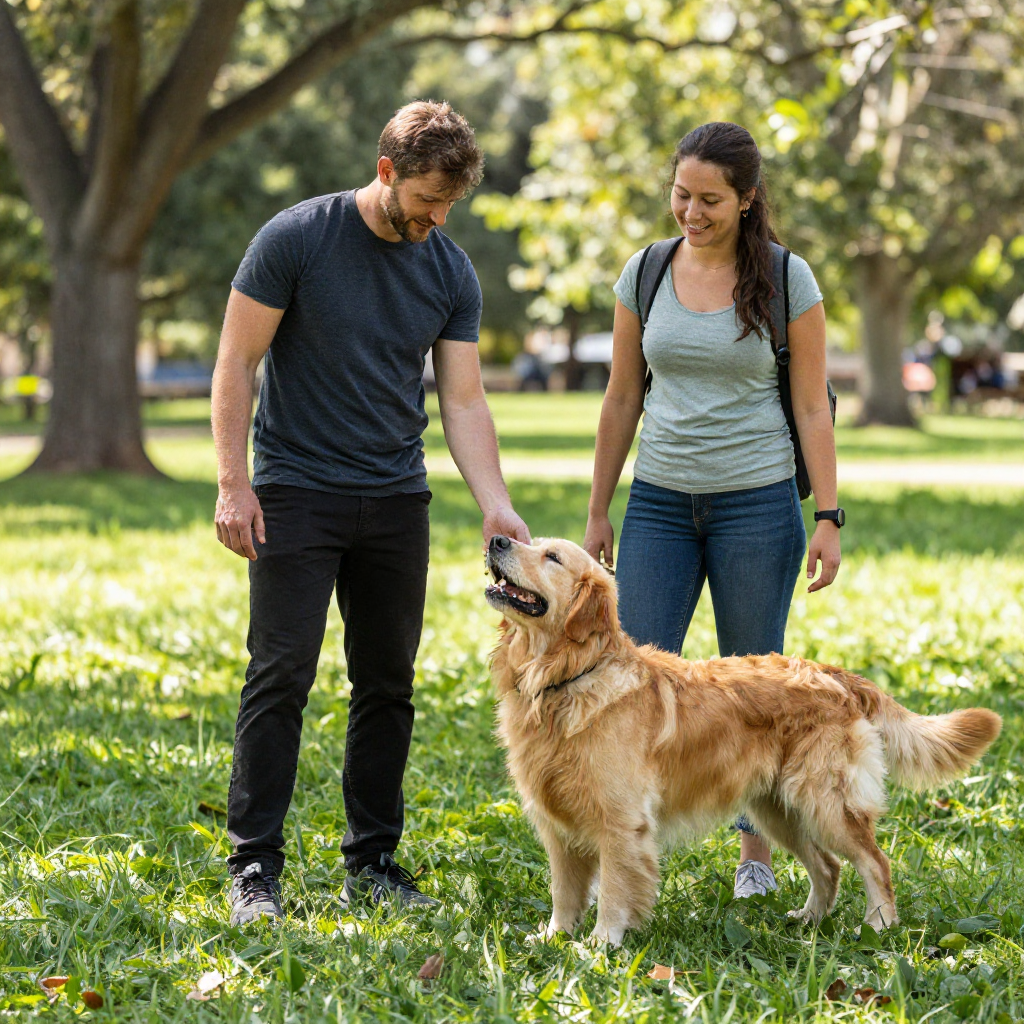
Dogs are more than pets. They are companions that share homes, routines, and experiences with their families. Effective behavior training for companion dogs helps build a stronger relationship between dogs and owners by improving communication, confidence, and appropriate responses to everyday situations.
Every dog has unique experiences, personality traits, and learning patterns. A training approach that works for one dog may not work for another, which is why understanding canine behavior and using practical training methods are essential. Rob’s Dog Training helps owners address behavior challenges with guidance tailored to their dog’s individual needs, creating a positive environment where dogs can learn and succeed.
Why Behavior Training Matters for Companion Dogs
Behavior training is not only about teaching commands such as sit, stay, or come. While obedience skills are important, true behavior training focuses on helping dogs understand expectations and make better choices in different environments.
Dogs often display behaviors based on their emotions, past experiences, instincts, and surroundings. Barking, jumping, pulling on a leash, or difficulty settling down may be signs that a dog needs clearer guidance rather than punishment.
A thoughtful training plan helps address common challenges, including:
- Excessive barking
- Leash pulling during walks
- Jumping on guests
- Chewing or destructive habits
- Fearful reactions
- Difficulty following household routines
- Poor impulse control
By identifying the reason behind a behavior, owners can respond more effectively and create lasting improvements.
Understanding How Dogs Learn
Dogs learn through associations and consequences. When a behavior leads to a positive result, dogs are more likely to repeat that behavior in the future. This principle is the foundation of many positive reinforcement training methods.
For example, rewarding a dog for calmly greeting visitors teaches that relaxed behavior receives attention. Over time, the dog begins to understand which actions are encouraged.
Successful training often includes:
- Clear communication
Dogs need consistent signals to understand what their owners expect. Using the same cues and responses helps prevent confusion. - Appropriate rewards
Treats, praise, toys, or access to enjoyable activities can motivate dogs to practice desired behaviors. - Repetition and patience
Learning requires practice. Dogs develop reliable habits when training is consistent and realistic. - Understanding individual needs
Age, breed characteristics, previous experiences, and temperament all influence how a dog responds to training.
Behavior Training for Companion Dogs Builds Confidence
Confidence plays an important role in a dog’s ability to handle new situations. A dog that feels secure is often better prepared to respond calmly around unfamiliar people, environments, and experiences.
Behavior training for companion dogs supports confidence by introducing challenges gradually and helping dogs succeed through achievable steps.
For example, a dog that feels nervous around visitors may benefit from controlled introductions rather than being forced into uncomfortable situations. A structured approach allows the dog to build positive associations at a comfortable pace.
Confidence-based training can help dogs:
- Feel more comfortable in different environments
- Respond calmly to new experiences
- Develop better focus around distractions
- Improve interactions with people and other animals
A confident dog is more likely to engage with the world in a balanced and appropriate way.
The Role of Impulse Control in Everyday Dog Behavior
Impulse control is one of the most valuable skills a companion dog can learn. It allows dogs to pause, think, and respond instead of immediately reacting to excitement or frustration.
Examples of impulse control include waiting before eating, staying calm when the door opens, or remaining relaxed when seeing another dog during a walk.
Owners can encourage impulse control by practicing simple exercises:
- Asking a dog to wait before receiving meals
- Rewarding calm behavior during exciting moments
- Practicing short periods of focus in distracting environments
- Teaching dogs that patience leads to positive outcomes
These skills support safer interactions and make daily routines easier for both dogs and families.
Creating Consistency at Home
Training does not only happen during scheduled sessions. Daily interactions provide countless opportunities for dogs to learn.
Consistency between family members is essential. If one person allows a behavior while another discourages it, dogs may struggle to understand expectations.
Families can support successful training by:
- Agreeing on household rules
- Using consistent commands
- Rewarding appropriate behaviors
- Providing regular mental and physical activities
- Maintaining realistic expectations
A dog’s learning continues through everyday experiences, making the home environment an important part of the process.
Addressing Behavior Challenges With Professional Guidance
Some behavior concerns require additional support. Persistent fear, aggression, severe anxiety, or complicated habits may benefit from guidance from an experienced professional trainer.
Professional trainers evaluate the dog’s behavior, identify possible triggers, and create strategies based on the dog’s needs. This personalized approach helps owners understand why certain behaviors occur and how to respond effectively.
Rob’s Dog Training provides guidance designed around individual dogs and their families. Through structured training methods and clear communication, owners can develop practical skills that support a healthier relationship with their dogs.
Positive Training Creates Stronger Human-Dog Relationships
Training is not about controlling a dog. It is about creating understanding between two different species that communicate in different ways.
When owners learn how dogs think, respond, and process information, everyday interactions become easier. Training becomes a shared experience that builds trust rather than a series of corrections.
A strong relationship between a dog and owner is built through:
- Respectful communication
- Consistent expectations
- Reward-based learning
- Patience and understanding
- Regular practice
These principles help dogs become reliable companions while allowing owners to better appreciate their dog’s unique personality.
Practical Tips for Long-Term Training Success
Building reliable behavior takes time. Owners can support continued progress with simple habits:
Keep sessions short and focused
Dogs often learn best during brief training periods that maintain their attention and interest.
Practice in different locations
A dog that responds at home may need additional practice in parks, neighborhoods, or other environments.
Reward progress
Small improvements are meaningful steps toward better behavior.
Avoid expecting perfection immediately
Learning takes repetition, and every dog develops skills at a different pace.
Make training enjoyable
Dogs are more willing to participate when learning feels rewarding and engaging.
Final Thoughts on Behavior Training for Companion Dogs
A well-trained dog is not simply one that follows commands. A well-trained dog understands expectations, feels confident, and can participate comfortably in family life.
Behavior training for companion dogs gives owners the tools to communicate clearly, address challenges, and build a dependable bond with their pets. With patience, consistency, and the right guidance, dogs can develop behaviors that support a happy and balanced relationship.
Rob’s Dog Training helps families create meaningful connections with their dogs through personalized training approaches focused on communication and practical results.